There are moments in the fossil record where the ground itself changes, forces unseen coming to life. It’s not always dramatic, at first glance the sediment does not tremble. The rocks do not split, but if you look closely at the chemistry, the pollen, and the bones, you see the boundary – the line where one world ends and another begins.
Paleontologists call it the Cretaceous/Paleocene Extinction Event – the horizon marked by iridium, ash, and absence. It is the layer where the great non-avian dinosaurs vanish from the geologic record, not because they failed, but because the ecosystem that sustained them collapsed. It was never about the dinosaurs alone, but rather the environment that made their existence possible.
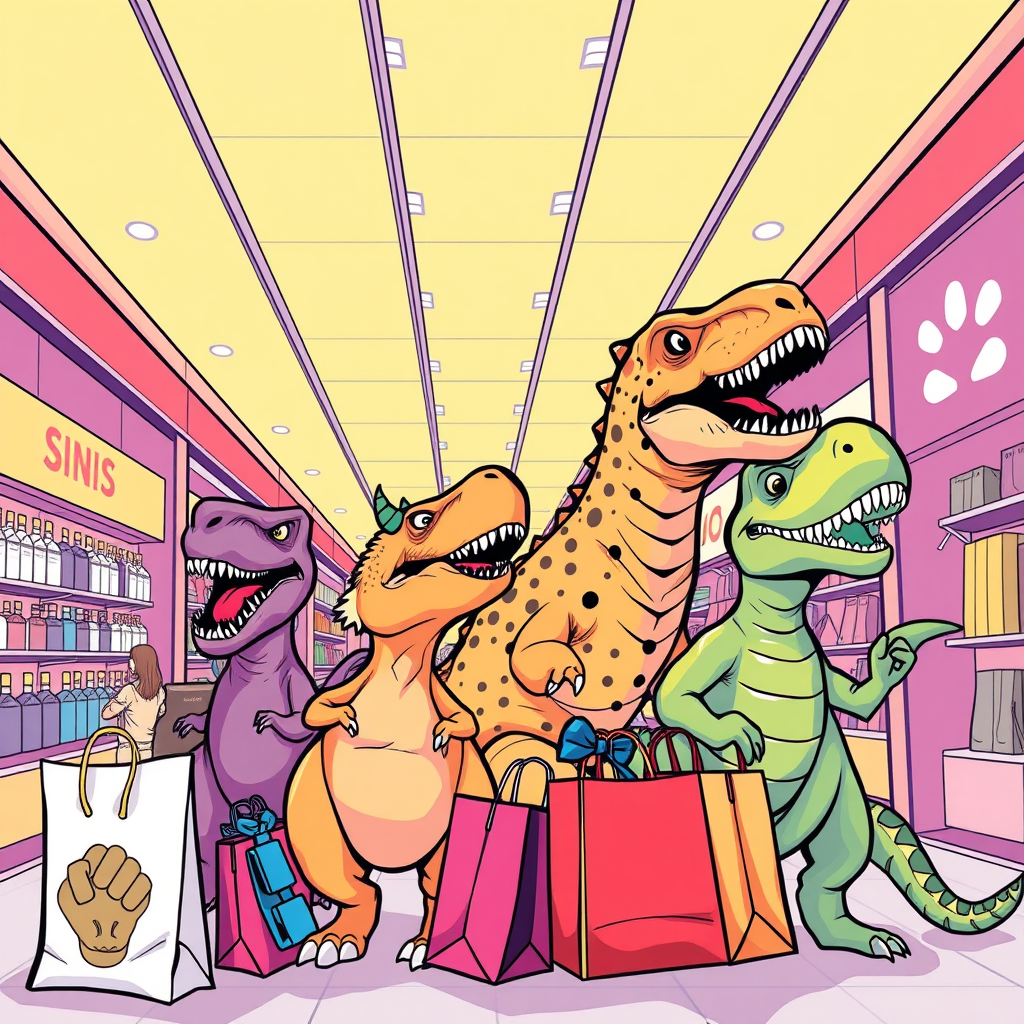
For a long time, I have felt like a dinosaur in an ecosystem that no longer matched my anatomy – built for depth in a world of speed, built for curiosity in a world of quotas, built for bones while standing behind glass counters of glittering accessories.
Dinosaurs did not go extinct because they were unworthy, they went extinct because the climate shifted faster than they could adapt. Sometimes survival does not mean clinging to the dying forest. It means crossing the boundary layer – stepping out of the ash and into whatever strange, quiet world comes next.
We often imagine extinction as a slow fading – populations dwindling, species weakening, and life gently receding into the dark. But fossil recoveries tell a different story. Sometimes extinction arrives all at once.
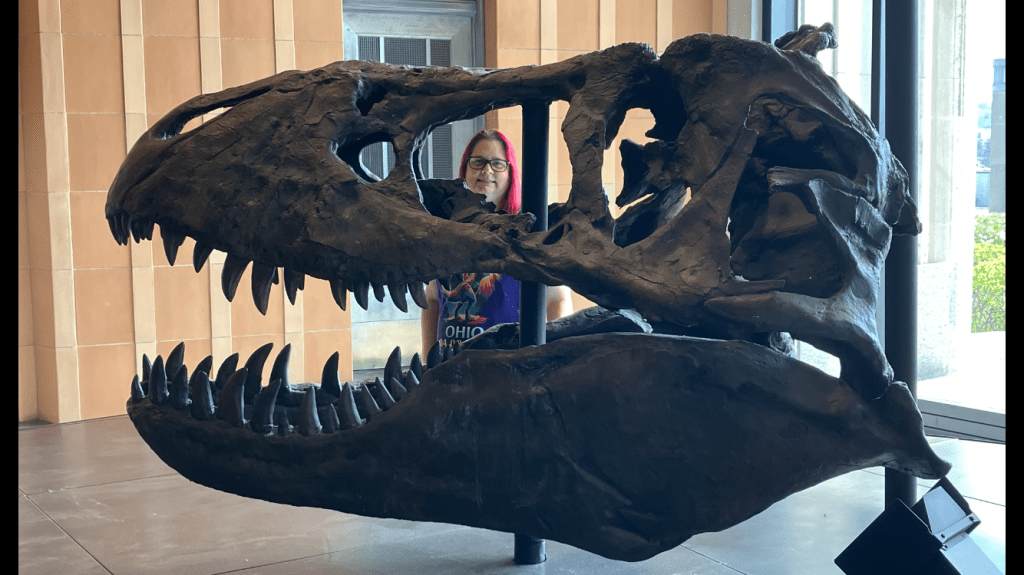
An asteroid strikes, shockwaves ripple across continents, forest ignite, sunlight vanishes, photosynthesis falters, and food chains collapse from the roots upward. The dinosaurs didn’t have time to debate their future. The world that had shaped their body, teeth, speed, and scale was gone in a geological minute.
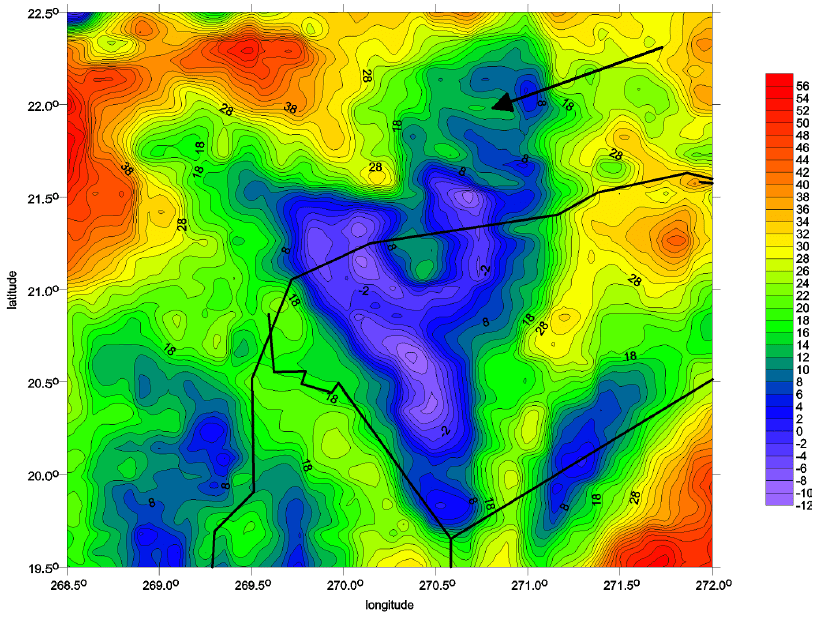
At the center of the catastrophe lies the Chicxulub Crater – a wound in the Earth’s crust large enough to rewrite the history of life on the planet. When I think about ecosystem change, I do not think first about disappearance, I think about disorientation. What does it feel like to be a creature perfectly adapted to one world and wake up in another?
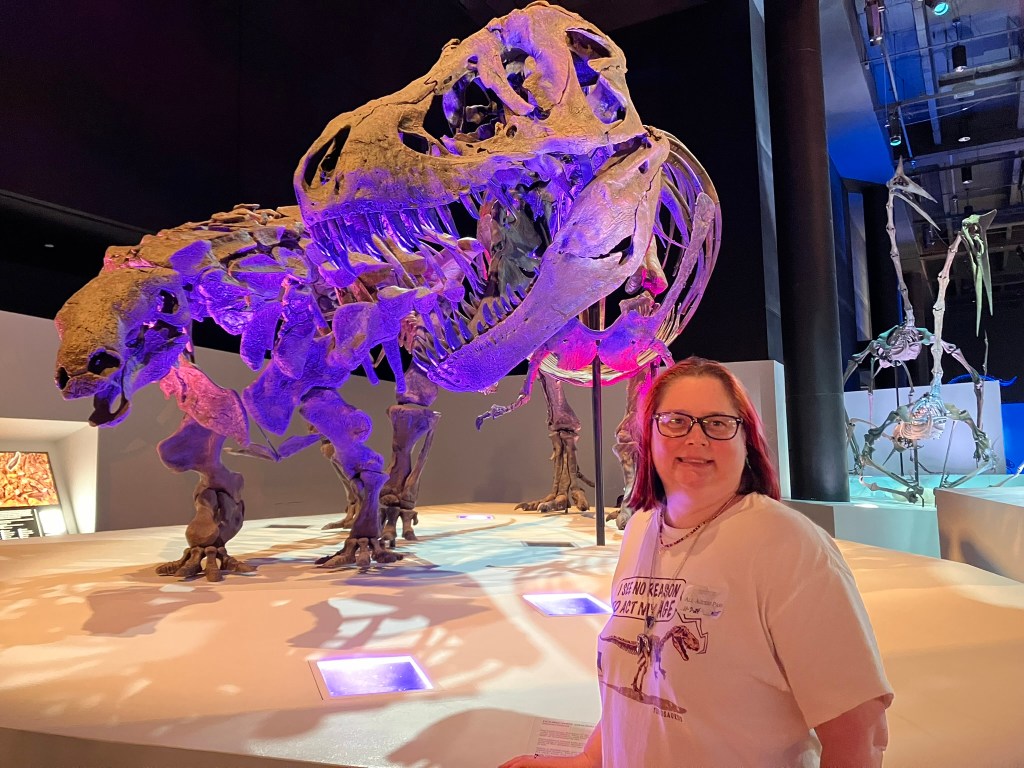
What does a predator built like Tyrannosaurus rex do when forests burn, prey vanishes, and the sky no longer feeds the plants that fed the herbivores which in turn feed him?
Power becomes irrelevant when the system that powered it collapses. In my own life, the impact was quieter – no firestorms, no global ash cloud – but the disorientation was real all the same. The environment I had inhabited began to feel atmospherically thin. Conversation thinned, meaning thinned, and purpose thinned. Like a dinosaur breathing air laced with soot, I could function but not thrive.
As so the question becomes the same one written into the fossil record. Not, “Am I strong enough to survive.” But “Is this still an ecosystem I am built to live in?”
However, extinction in its most personal form is not always death. Sometimes it is the slow erasure of the self in an environment that no longer sustain it. And survival – true survival – begins at the moment a creature recognizes the sky has changed. And for me, this is where the metaphor becomes personal.
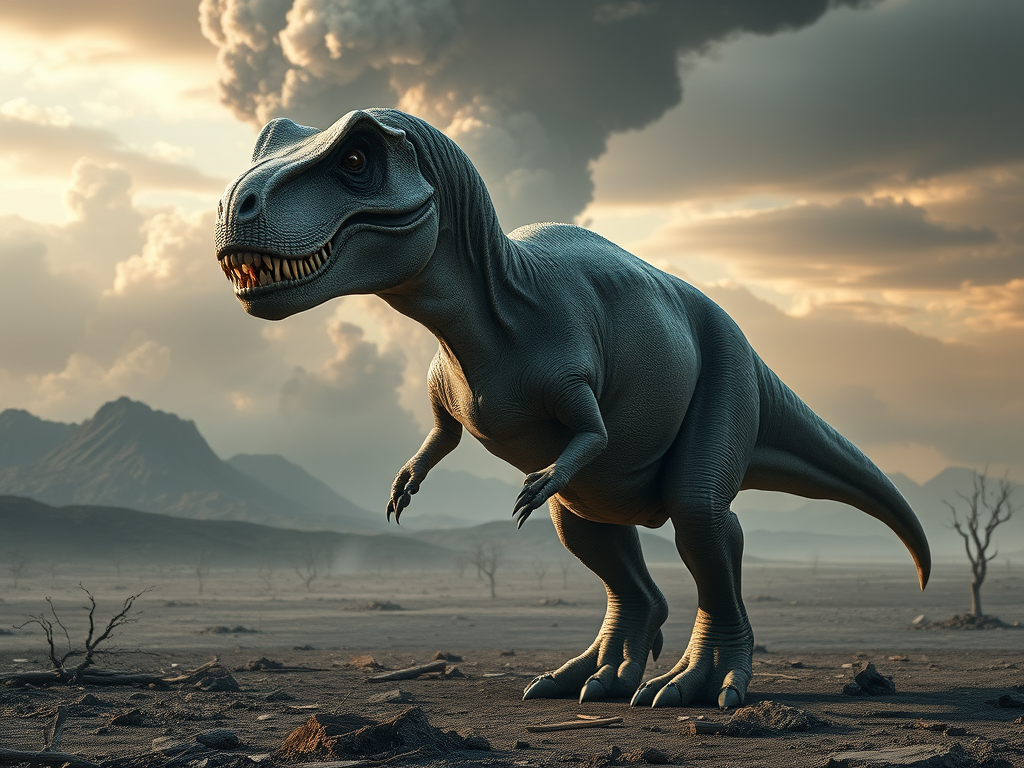
Long before I left accessory retail, I could sense the atmospheric change. Something in the air pressure of the environment shifted. The conversation felt thinner, purpose felt shallower, and the ecosystem that once felt survivable began to feel extractive – demanding energy without retuning oxygen.
Like an organism sensing barometric pressure before a storm, I knew something large was coming, even if I could not yet see the impact site. Leaving was not extinction, it was migration, the behavioral pivot that survival requires.
If one ecosystem no longer sustains, evolution does not demand that you perish within it. It demands that you move and seek the biome where your anatomy makes sense again.
And so, my transition from accessory retail into archive retail was not a retreat from the workforce – it was an adaptive radiation into a niche better aligned with my intellectual metabolism.
In one ecosystem, I had adornment, in the other, I handle ideas. One fed appearance, the other feeds cognition. Both worlds hold beauty, but in different forms: one worn outwardly, the other carried within.
And like surviving dinosaurs who stepped cautiously into the Paleocene forests, I am learning the texture of this new world – slower, quieter, but rich with resources my species requires to thrive.
Survival, after all, is not about remaining where you were formed. It is about recognizing when evolution is asking you to become something more sustainable.
The early Paleocene was not the lush planet we know today, but it was a place of refuge. Dense understories spread across recovering continents, ferns and flowering plants reclaimed the burn scars, and the quiet shelter beneath their canopies protected the survivors of the extinction who began the long work of ecological reinvention.
It’s in these forests that survival becomes visible. Not dramatic, nor triumphant, but steady – cautious life testing the atmosphere. I think of bookstores, writing, and research as my Paleocene forests. They are not loud ecosystems, don’t demand spectacle, or performance. Rather they are quiet biomes – built of paper, dust, ink, and time – where ideas grow slowly the way early forests once did, layer by layer, canopy by canopy.
In accessory retail the environment was open, bright, and fast like an exposed floodplain where everything lived on display.
In book retail, I step into the understory. Here knowledge accumulates like leaf litter, stories root themselves in the soil of language, and research branches outward, forming intellectual shelter.
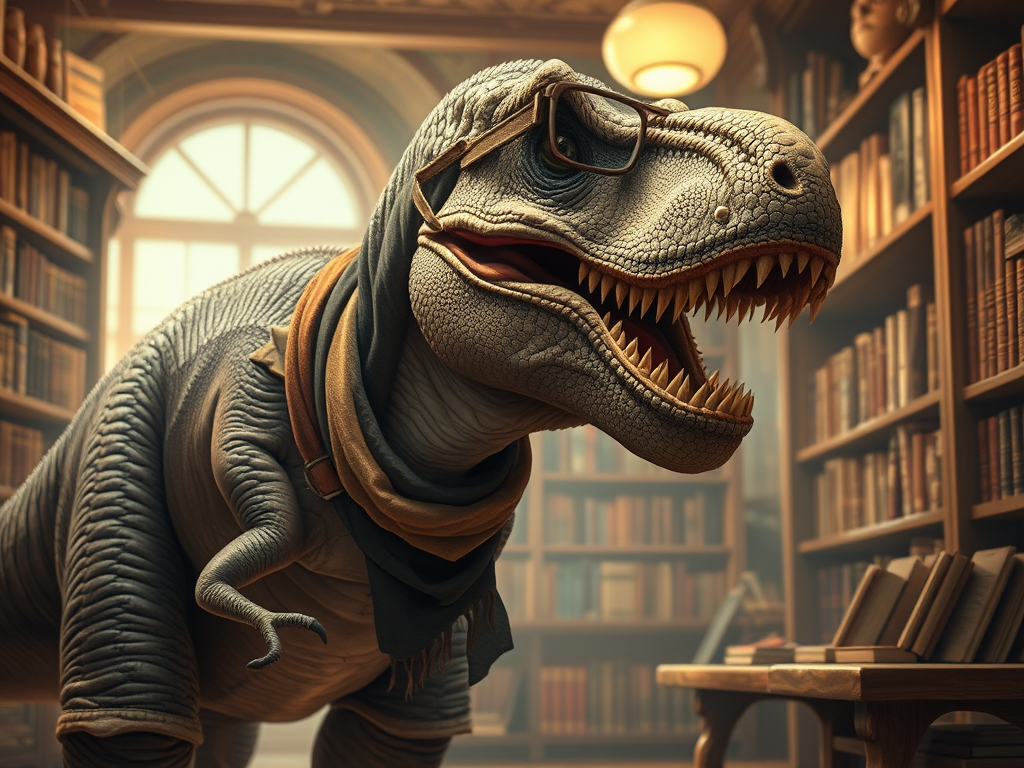
This is an ecosystem that rewards stillness – the very trait that would have doomed a creature in a predator-saturated Cretaceous plain, but which becomes advantageous in recovering Paleocene woodlands.
Like the surviving dinosaurs and mammals moving through shadowed forests, I am learning new survival behaviors – listening, reading, and studying terrain. Flourishing in this stage does not look like dominance, it looks like stabilization, breathing clean air after an age of ash. Because recovering ecosystem are not about spectacle, they are about sustainability.
And in these paper forests, isles lined with accumulated human thought, I am beginning to understand that survival was never the end goal. It just required finding the biome where my mind could finally photosynthesize.
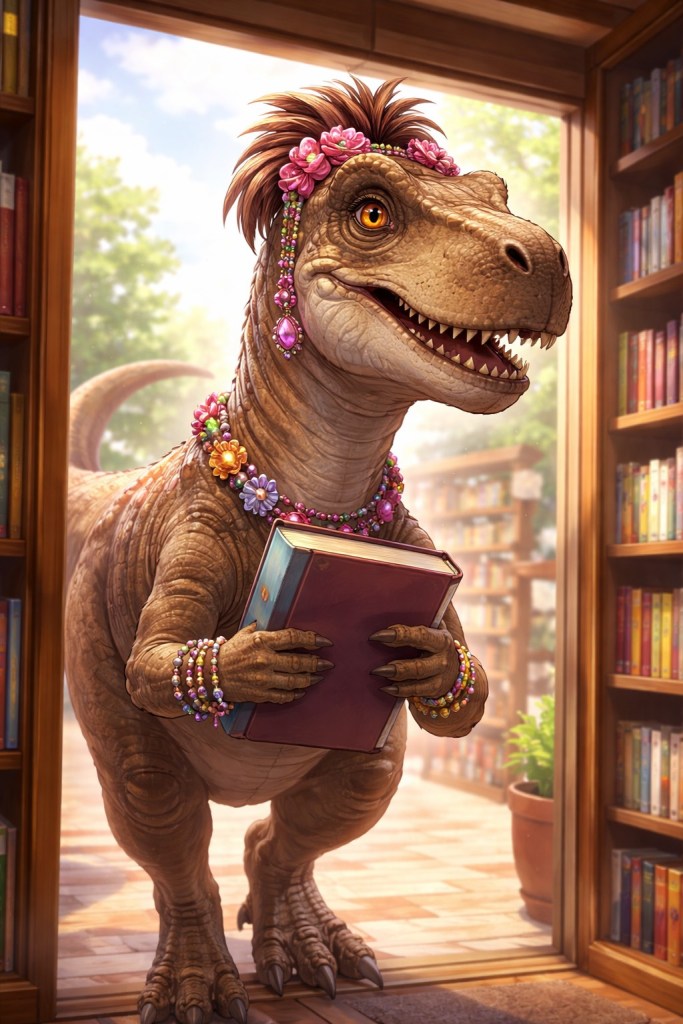
I have stepped beyond the glittering glass cases of adornment and into the hushed, catherdal-like aisles of books – a migration not away from beauty, but toward meaning. No longer do I fasten stories to wrists and ears; now I shelve them in spines and paper, where they breathe more deeply.
This new biome is quieter, older in spirit – a forest of pages where knowledge grows in rings like fossil wood. And from within it, I will listen, observe, and write. The tales that emerge from this landscape will not be told in the language of trend, but the dialect of bone and deep time – stories filtered through the patient, enduring wisdom of dinosaurs, who remind us that what is buried still speaks, and what is past still lives.
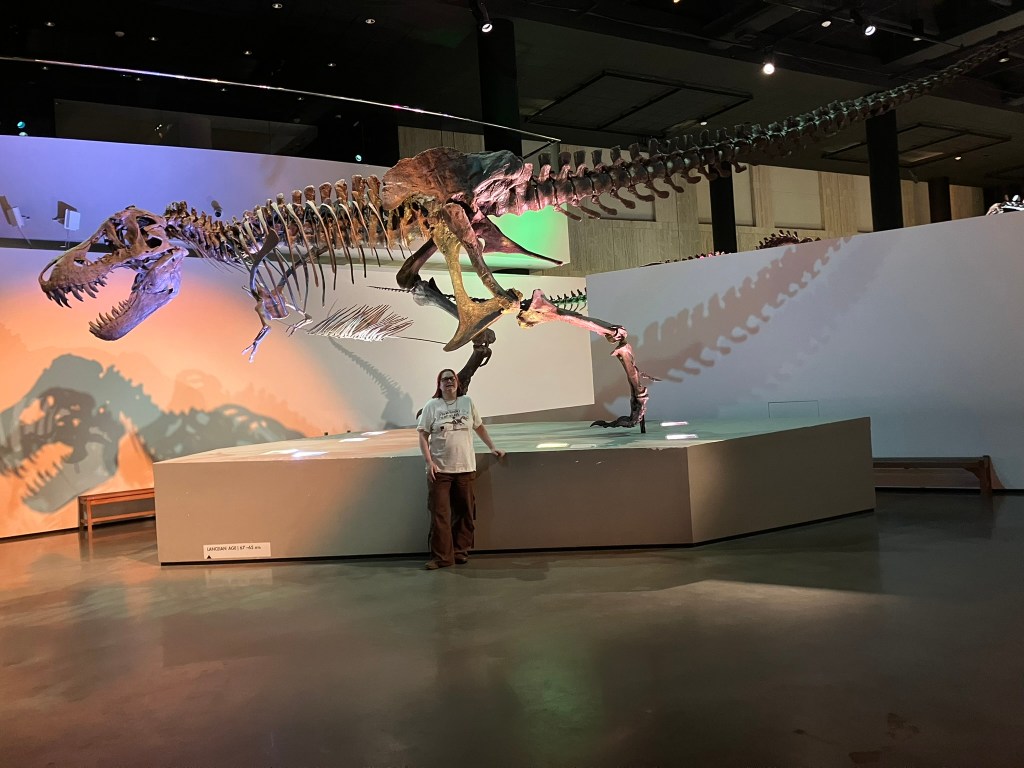
There are moments in life when a career shift isn’t just a change in workplace – it’s a migration of the soul.
After years in accessory retail, I’ve stepped into the quieter, story-lines aisles of book retail – a transition that feels less like leaving and more like arriving. Both worlds hold beauty, but in different forms: one worn outwardly, the other carried within.
As a writer working within the field of Paleontology, I find myself drawn to environment where stories live long lives – where deep time, ancient voices, and the wisdom of dinosaurs can echo a little louder.
This piece is about this transition – about movement, meaning, and the landscapes we choose to grow in.
Sometimes the next chapter isn’t just read. It’s lived.
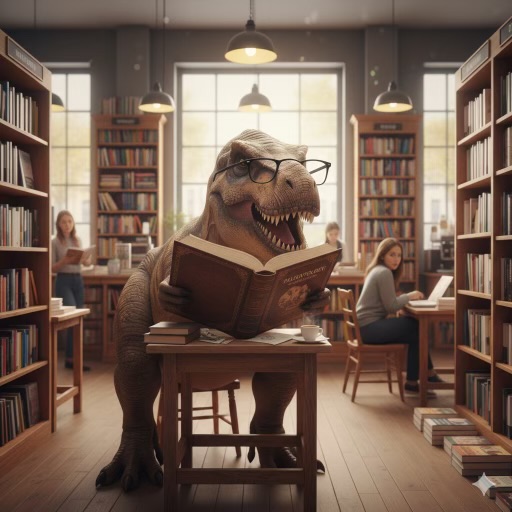
I am a retail naturalist, studying the modern mall as if it were a Mesozoic ecosystem. Through the eyes of T. rex, Deinonychus, Dreadnaughtus, Oviraptor, Therizinosaurus, and other ancient creatures, I observe how shoppers gather, migrate, shop, and interact with one another. Shelf Life: Lessons from Retail-Display to Decision is where those field notes become warm, thoughtful stories about the humans who move through my contemporary retail ecosystem—interpreted through the logic of creatures long extinct.
This post is part of a broader practice of observation that threads through all my writing. Coffee and Coelophysis looks at the world of dinosaurs through the lens of deep‑time research. The Kuntry Klucker turns that same curiosity toward backyard chickens and everyday life. Both blogs share the same habits of noticing, studying, and storytelling about the living world. You can also explore more of my work in My Online Writing Portfolio.
 Shelf-Life: Lessons from RETAIL. Display to Decision
Leave a comment