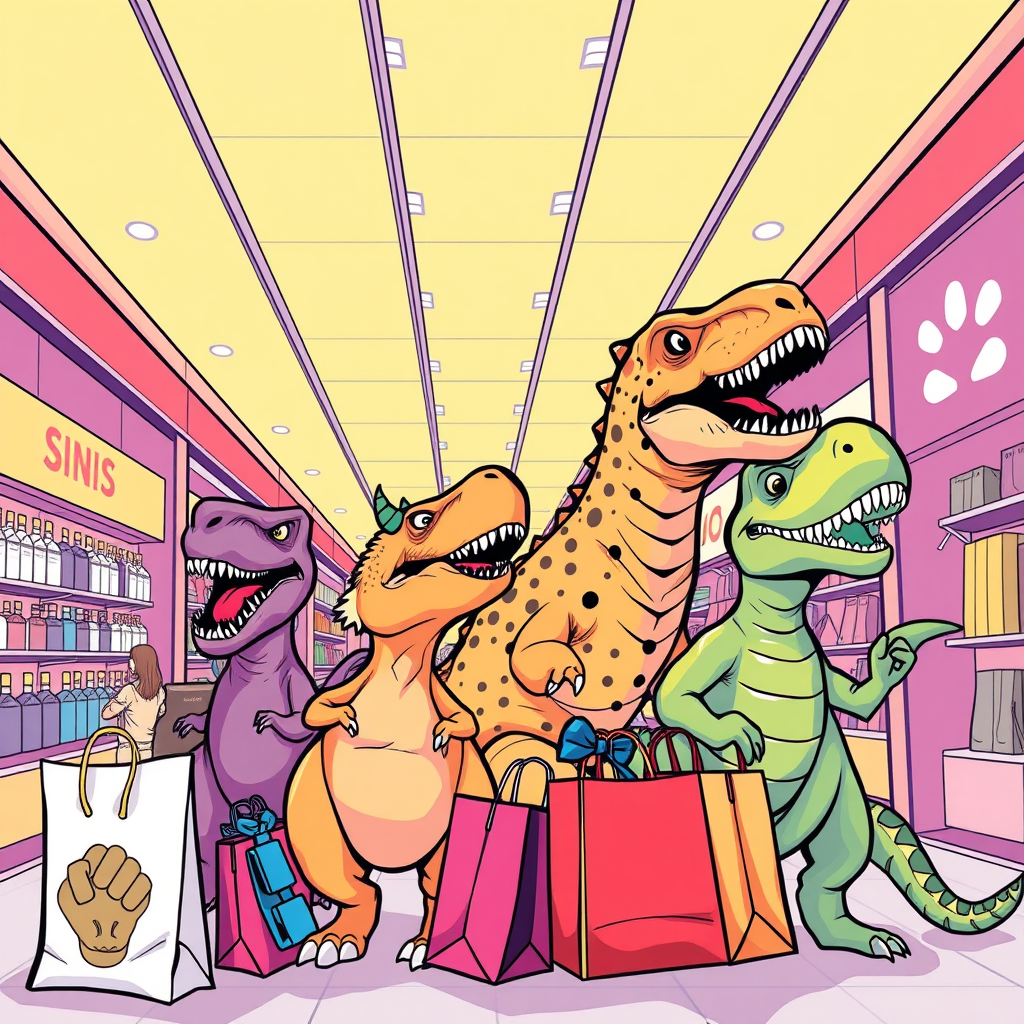
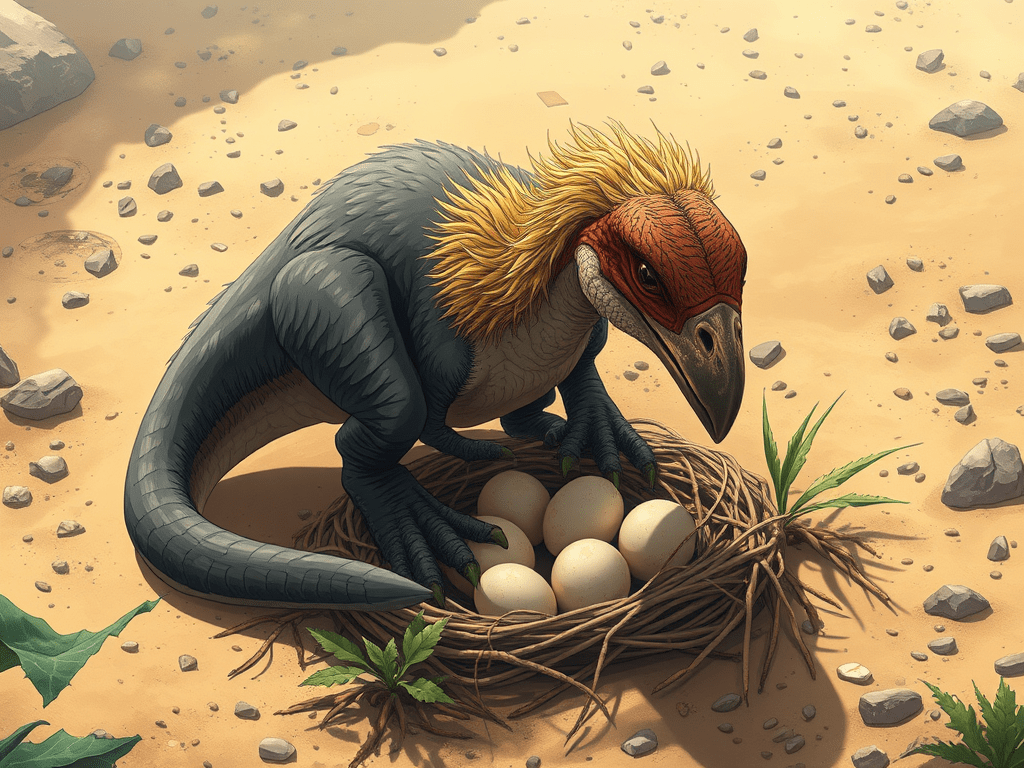
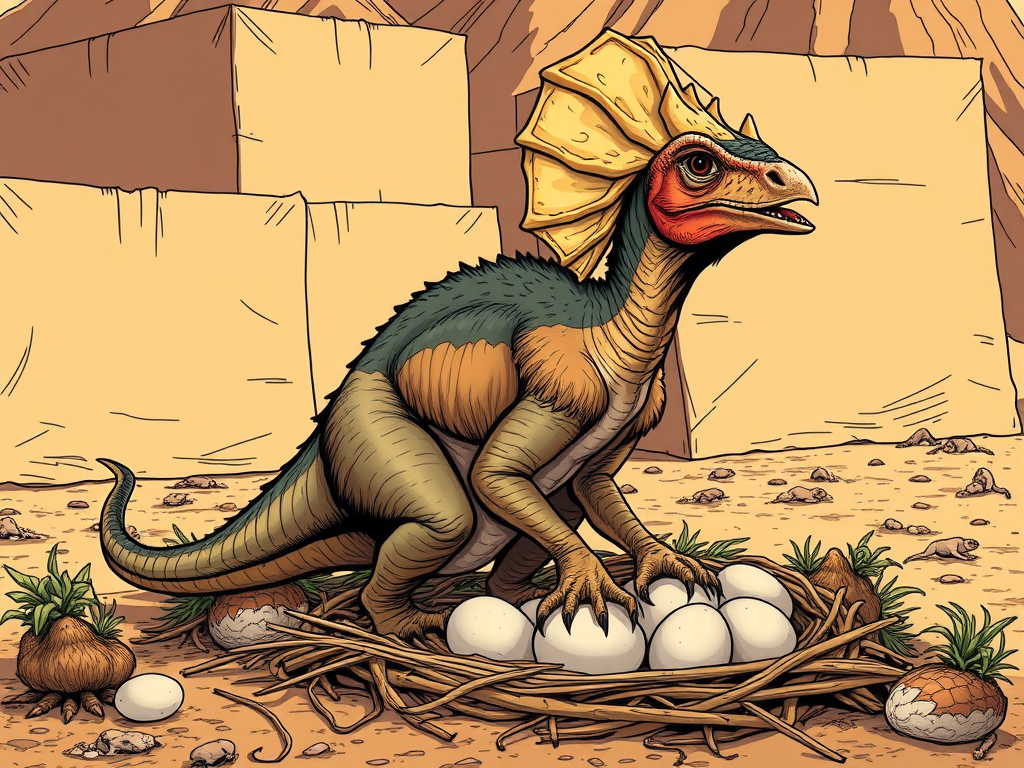
The delivery truck didn’t roar in or stalk its way onto the parking lot like some territorial beast. It slipped in quietly, eased open its cargo door, and revealed thirty‑six towering boxes of shipment. Pallet by pallet, the large boxes were ferried into my store and lined up in the stockroom with deliberate care. For a moment, the room felt less like a workplace and more like an excavation site—overwhelming, crowded, and brimming with assumptions just waiting to be unearthed.
Shipment always looks aggressive at first—boxes piled on boxes, cardboard walls rising like a barricade, and that creeping sense that something must be wrong simply because there’s so much of it. The instinct is to read it as chaos, excess, or impending exhaustion. But overwhelm isn’t always evidence of oversight; sometimes it’s evidence of care.
Oviraptor – the egg thief
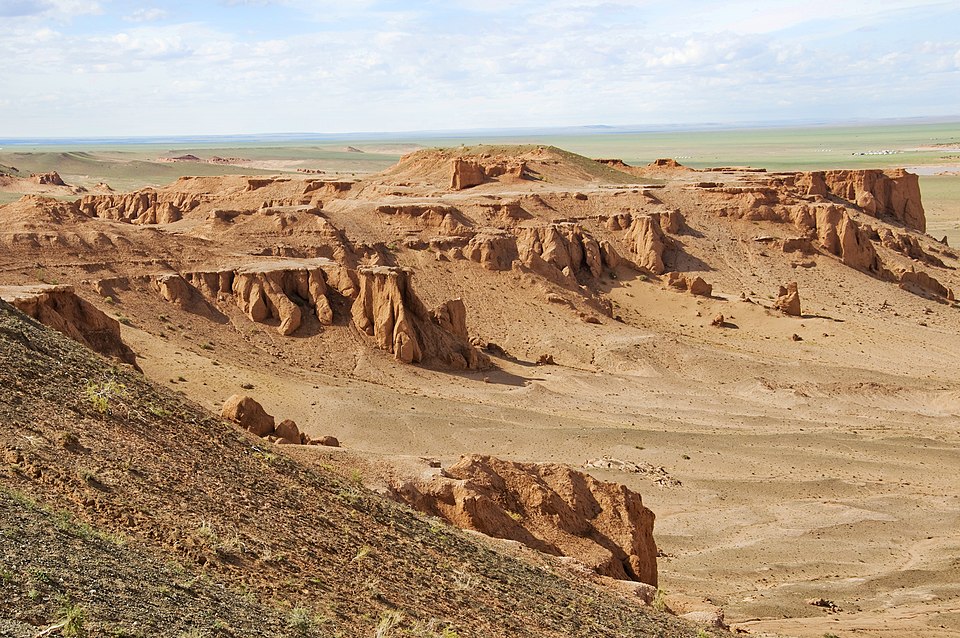
Paleontology learned a valuable lesson with the discovery of Oviraptor. In the 1920s, fossils of this feathered theropod were found in the Gobi Desert alongside large nests of eggs. The conclusion seemed obvious: a medium-sized theropod was caught in the act of stealing eggs. Its name—Oviraptor, meaning “egg thief”—cemented that assumption, portraying these beaked, feathered dinosaurs as nest raiders from the Cretaceous period. For decades, this interpretation remained unchallenged in the scientific community.
Only later did the world realize just how wrong that interpretation had been.
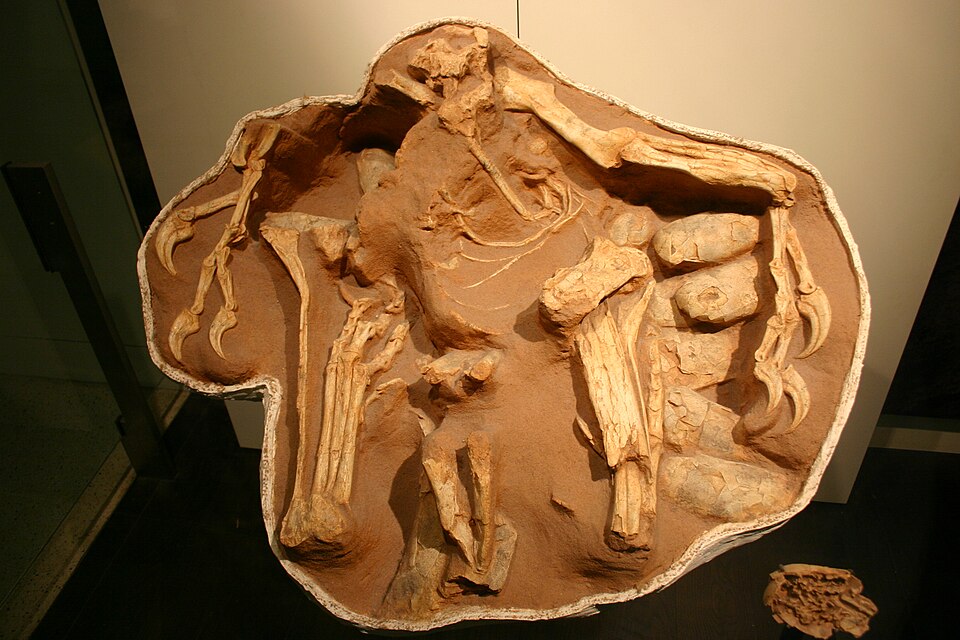
Subsequent discoveries revealed that these fossilized bodies were not thieves at all; instead, they were devoted parents guarding their eggs, with arms outstretched in a posture strikingly similar to that of modern birds. This scene, frozen in stone, captures a moment of overwhelming urgency, showcasing care rather than destruction.
Research from the Gobi Desert nesting sites now suggests that these adults died shielding their eggs from a sudden sandstorm, a catastrophe that ended their lives preserving their devotion for millions of years.
From afar, overwhelm can appear as irresponsibility—a stockroom overflowing with boxes or a dinosaur surrounded by a cluttered nest of eggs. But context changes everything. What once appeared like excess was actually commitment, and what seemed like chaos was, in truth, a form of guardianship.
Oviraptor nest site and thirty-six boxes of shipment.
Shipment isn’t just product—it’s a responsibility delivered all at once. Each box carries future customers, choices, and orders. And when they all arrive together, they push the limits of the ecosystem. Movement tightens, thinking narrows. You stop seeing the whole and focus only on what’s directly in front of you: open this, sort that, protect what matters.
Like Oviraptor, retail stockrooms aren’t hoarding—they’re holding.
There’s a quiet intelligence in that posture. You don’t abandon the pile or run from the overwhelm. You stand over it, work through it, and guard it until it can be released into the store in manageable pieces. The chaos settles not through panic, but through patience.
Eventually, the boxes disappeare and the floor settled into quiet calm. Customers wander through, unaware that just hours earlier, the space was buried under cardboard and pressure-flattened boxes, and stocked shelves reveal a system that has weathered yet another surge.
Oviraptor’s reputation changed when we learned to look more closely at the moment preserved in stone. Retail overwhelm deserves that same generosity of interpretation—not everything that looks like excess is a mistake. Sometimes it’s simply care arriving faster than we are prepared to receive it.
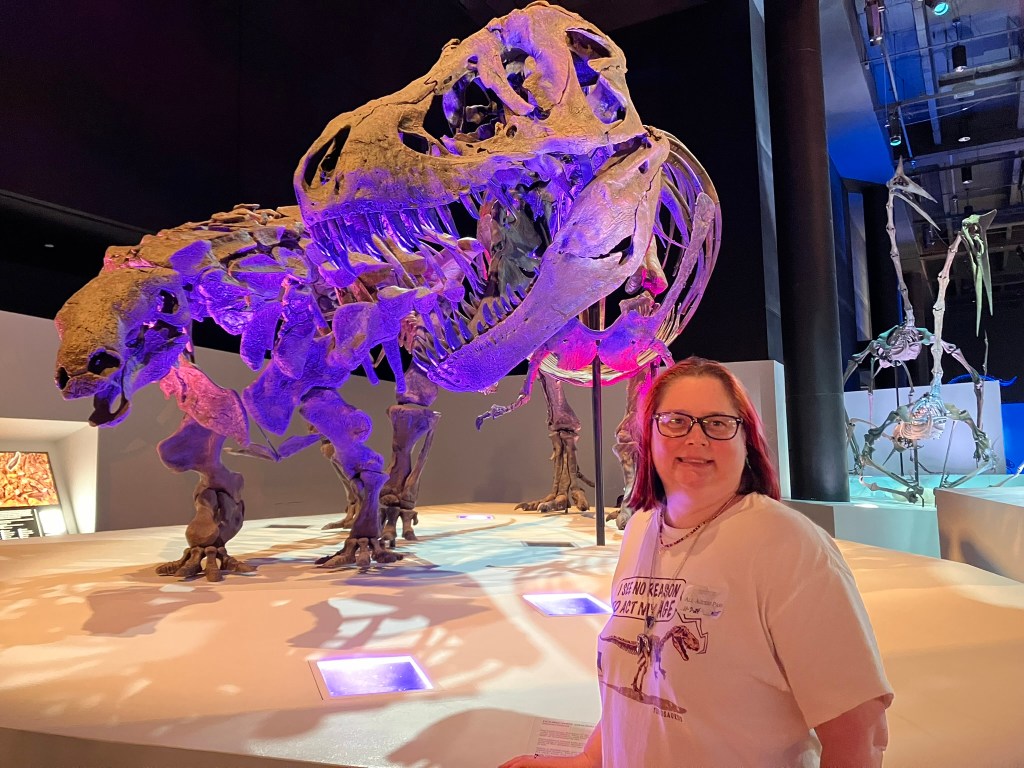
I am a retail naturalist, studying the modern mall as if it were a Late Cretaceous ecosystem. Through the eyes of T. rex, Deinonychus, Dreadnaughtus, Oviraptor, and other ancient creatures, I observe how shoppers gather, migrate, clash, and comfort one another. Shelf Life: Lessons from Retail From Display to Decision is where those field notes become warm, thoughtful stories about the humans who move through my contemporary retail ecosystem—interpreted through the logic of creatures long extinct.
If you like this post, please visit my larger body of work.
 Shelf-Life: Lessons from RETAIL. Display to Decision
.jpg)

Leave a comment