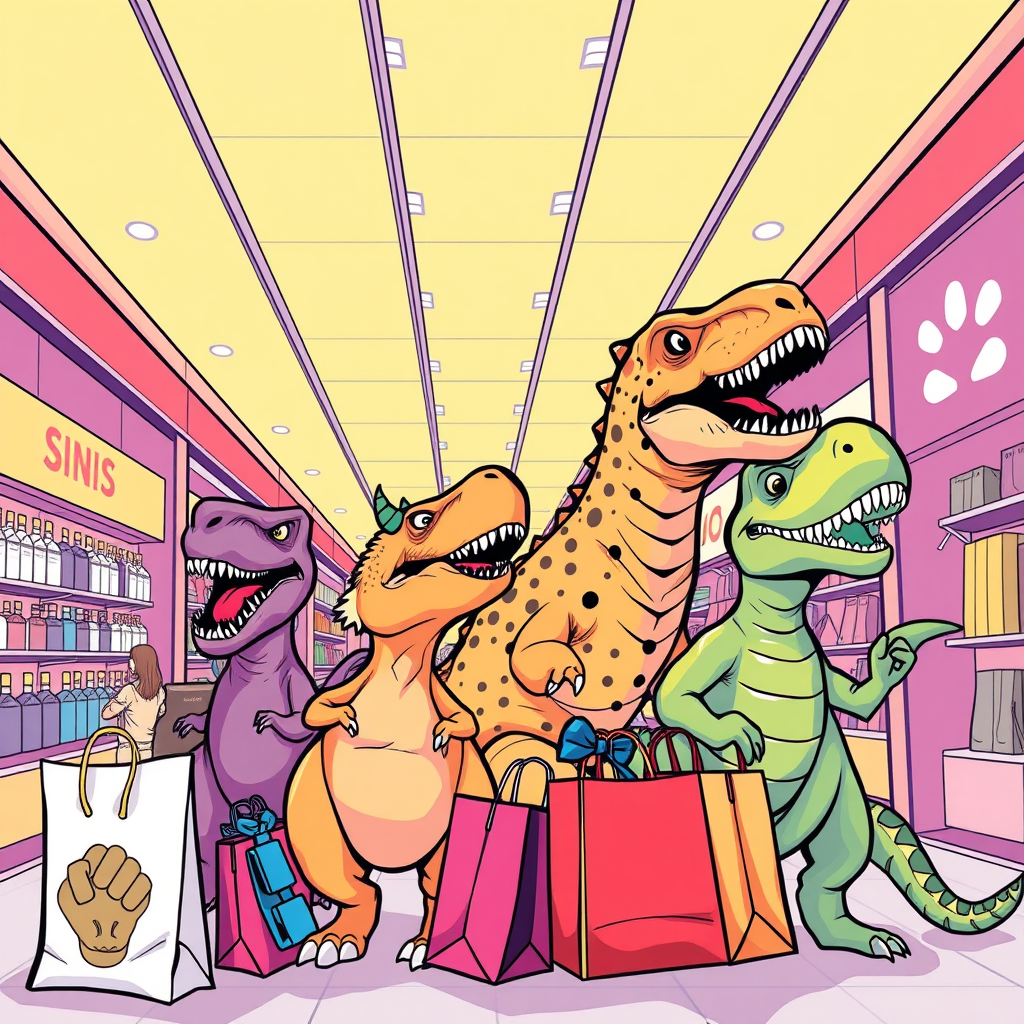
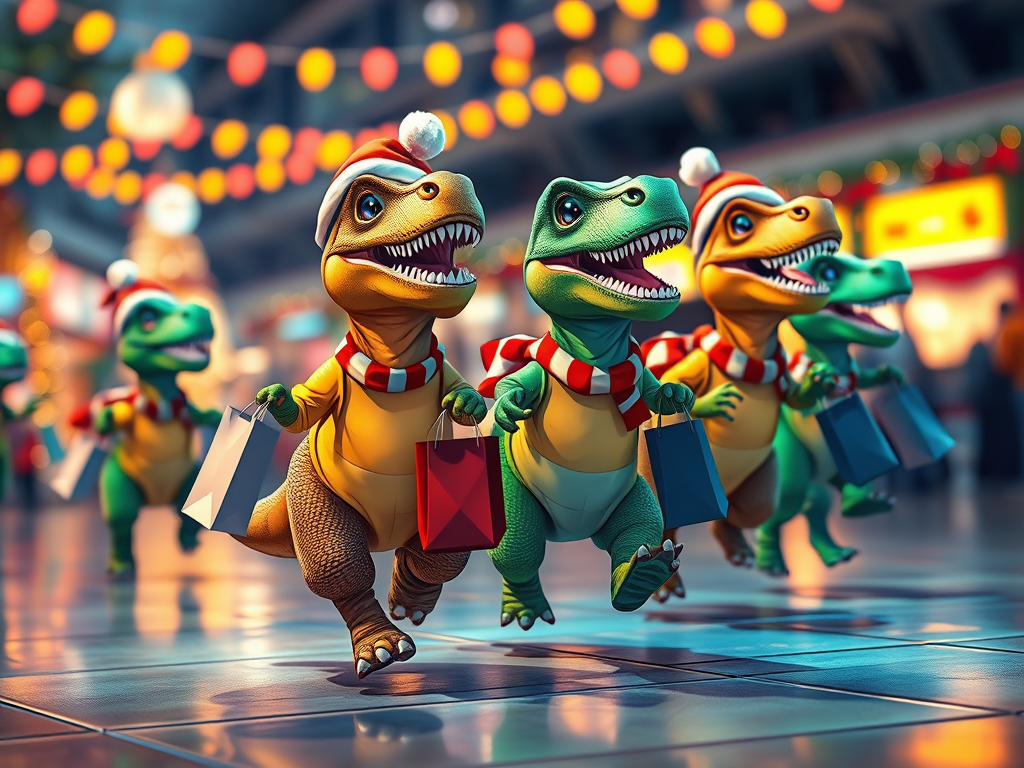
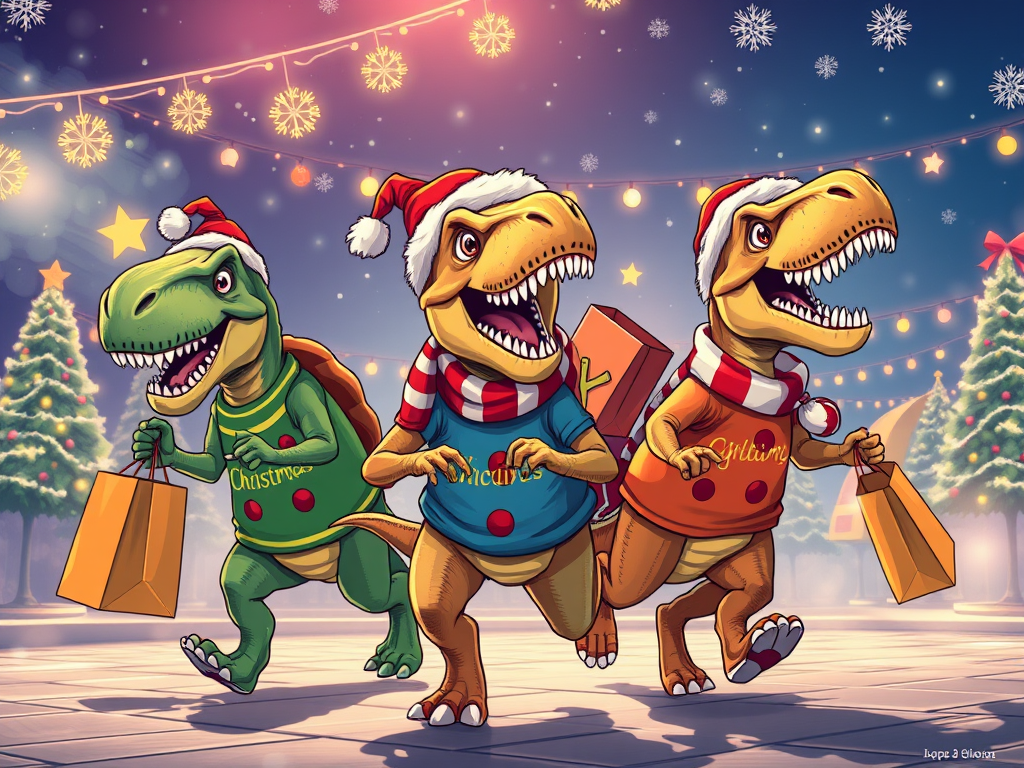
As Christmas approaches, the atmosphere changes in a way I can almost feel. The rhythm of my store picks up, footsteps grow brisk, hands linger over displays with a little more intention, and customers carry a familiar expression I’ve learned to spot instantly. It’s that seasonal blend of anticipation and urgency—excitement tightly wound with pressure—because the clock is ticking, and everyone feels it.
Deadlines have a way of sharpening our focus. I observe from my register: last-minute gifts clutched just a bit tighter, questions asked a little more urgently as the calendar dictates the mood. Christmas is coming whether you’re ready or not.
It makes me think of another countdown—one so immense it’s almost beyond human comprehension. Sixty‑six million years ago, an asteroid about six miles across slammed into what is now the Yucatán Peninsula. The Chicxulub impact unleashed energy on the scale of billions of nuclear bombs. In an instant, the world the dinosaurs had ruled for 160 million years was effectively over.
We tend to imagine the dinosaurs’ extinction as something that happened in a single, catastrophic instant. One moment they ruled the Earth; the next, they vanished. But extinction is rarely that tidy. In the hours, days, and weeks after the impact, the planet was thrown into chaos. Firestorms raged, the sky choked with debris, and temperatures swung wildly as the world lurched into a new and hostile reality.
If the dinosaurs had possessed awareness beyond instinct—if they’d sensed what was on the horizon—they might have met it with the same frantic urgency we feel as the holidays close in. Not the neat, manageable urgency of a seasonal deadline, but a raw, primal recognition that something vast and unstoppable was bearing down. The world was changing beneath their feet, and there was no stepping outside the countdown.
Of course, the holiday rush is nothing like a mass extinction event, but urgency—on any scale—tends to follow the same emotional rhythm. A fixed moment draws closer, and suddenly every choice feels sharper, heavier, more significant than it did just a week before.
As Christmas draws near, I watch customers move with a kind of determined focus. They scan, choose, and second‑guess. Hope threads itself through the rush—the hope that this gift will be the one that lands just right, that it will feel meaningful and truly cherished. Beneath all the pressure, anticipation hums quietly but unmistakably.
And maybe that is the difference.
The Chicxulub impact marked a definitive ending. Christmas, despite all its urgency, points us in the opposite direction—toward connection, gathering, and the kinds of moments that linger long after the countdown has run out.
Still, the rhythm is unmistakable. A deadline approaches, and suddenly the world feels louder, faster, more electric. Standing behind my register, watching it all play out, I’m reminded that urgency—whether sparked by an asteroid or a holiday—has always shaped the way living beings move through the world.
The dinosaurs did not get a choice, but we do.
As the days slip away and my store swells with movement and anticipation, I try to simply witness it—to acknowledge the urgency without letting it pull me under. A countdown doesn’t always lead to disaster. Sometimes, it leads to light, to laughter, to a perfectly chosen gift placed gently into waiting hands.
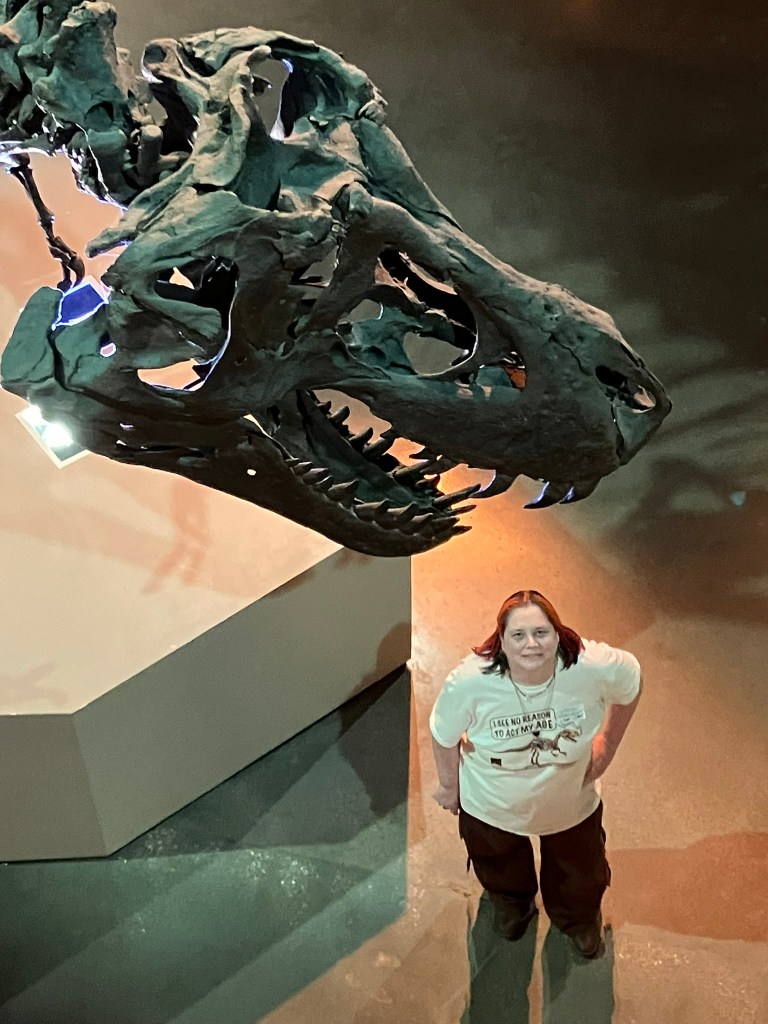
I am a retail naturalist who studies the modern mall as if it were the Late Cretaceous. Through the lens of a T. rex, Deinonychus, Dreadnaughtus, and other ancient creatures, I observe how shoppers gather, migrate, clash, and comfort one another. Shelf Life: Lessons from Retail is where those field notes become warm, thoughtful stories about the humans who wander through my contemporary retail ecosystem.
If you like this post, please visit my wider body of work.
 Shelf-Life: Lessons from RETAIL. Display to Decision
Leave a comment